Request A Quote
 Contact Us
 Australia (Select Country)

 India
 UK
 USA
 South Africa
 Malaysia
 German
 UAE




Standard Progressive Cavity Pumps
From low-pressure transfer to high-pressure challenges, Roto Standard Progressive Cavity Pumps delivers precision, durability, and performance you can trust on.
Flow Rate -
Up to 500 m3/hr / 2200 GPM
Pressure -
Up to 120 Bar / 1740 PSI


What are Standard Progressive Cavity Pumps?
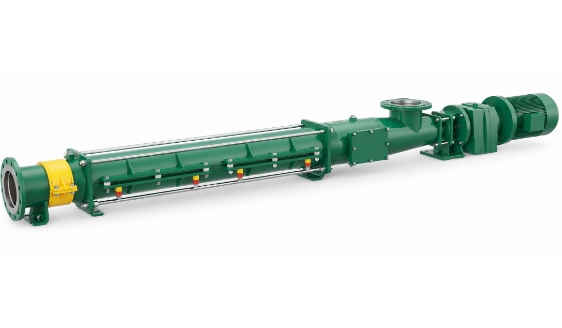
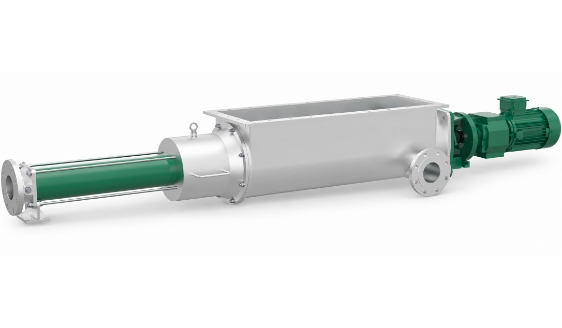
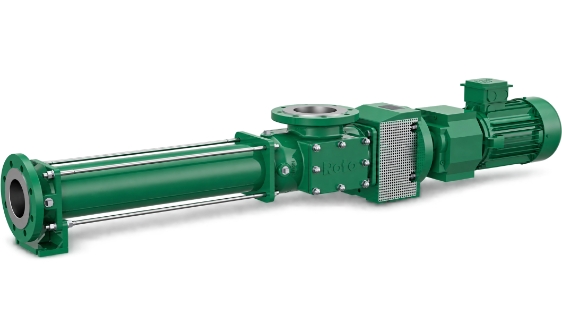
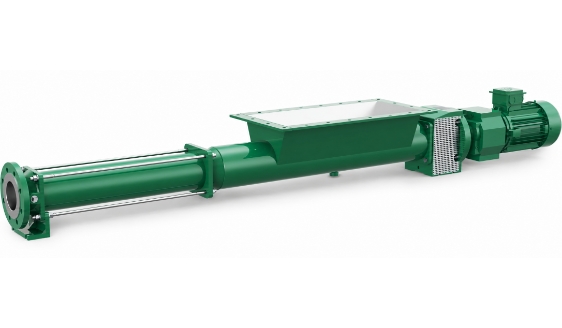
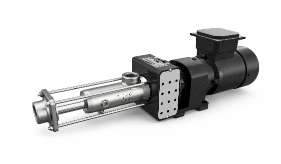
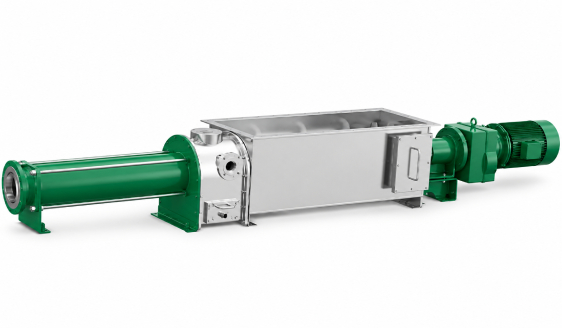
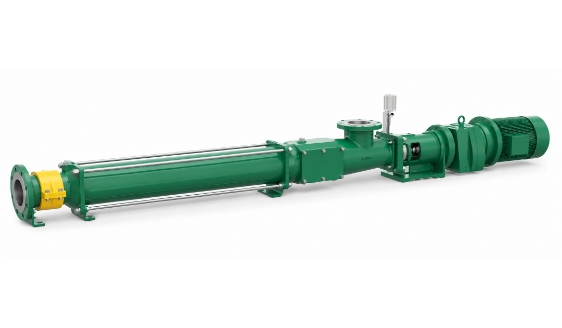
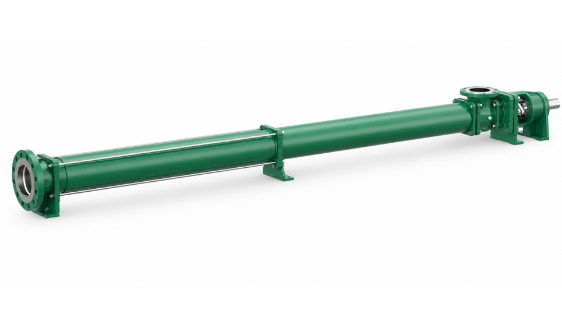
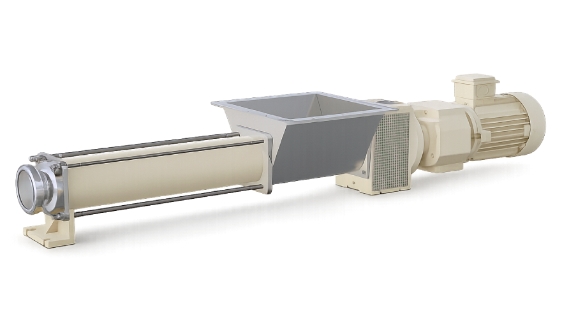
Standard Progressive Cavity Pumps are engineered to transfer tough-to-handle fluids with consistent performance across diverse industries. Designed on a modular construction concept, these pumps integrate next-generation components: precision rotor - stator geometry, solid shaft, inspection windows, and unique thrust bush joints. PC pumps are also available in double-sealed Cardan universal joints build for higher efficiency, reduced wear, and extended service life.
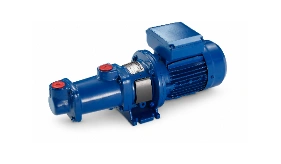
Available in bare shaft and close-coupled configurations, with select models offering up to 8-stage options, these pumps provide flexibility to match demanding process requirements. Multiple material grades and shaft sealing options further enhance adaptability across applications.


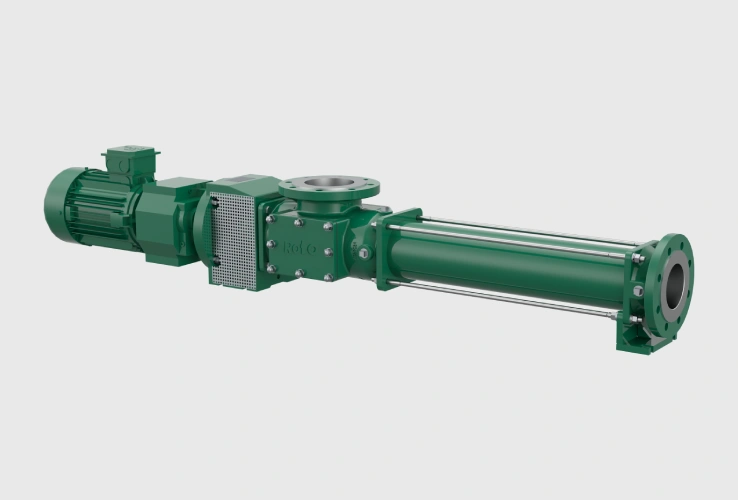
Single Stage Pumps
- Capacity : Up to 500 m³/hr
- Pressure : Up to 6 bar
Designed for cost-effective, heavy-duty performance, these pumps feature advanced rotor-stator geometry that reduces rubbing velocity making them ideal for handling abrasive, viscous, and shear-sensitive fluids with ease.
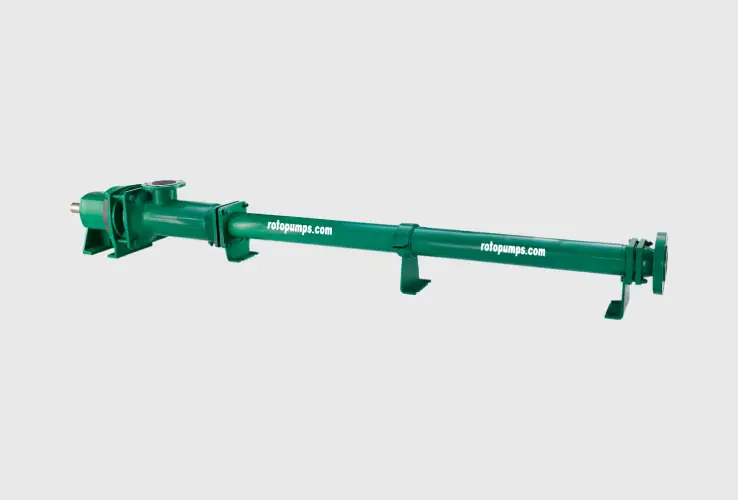
Multi-Stage Pumps
- Capacity : Up to 250 m³/hr
- Pressure : Up to 48 bar
Engineered for high-pressure applications, these pumps deliver reliable performance in both continuous and intermittent operations. Built to excel in the most demanding environments, they ensure smooth handling of complex fluids without compromising efficiency.
Material Of Construction
Wettable Housing Components
Cast Iron, Cast Stainless Steel, Fabricated Steel, Fabricated Stainless Steel
Stator
Natural, Nitrile, High Nitrile, EPDM, Chloro- Sulphonated Rubber, Fluoroelastomer, Aflas, HNBR
Rotor
Tool Steel, Case Hardened Steel, Alloy Steel, Stainless Steel
Coupling Rod
Alloy Steel, Stainless Steel
Shaft
Alloy Steel, Stainless Steel
Other Exotic Materials
Duplex, Super Duplex, Alloy 20,Haste Alloy
Rotor Surface Coatings
Ceramic Coatings, Tungsten Carbide, Hard Chrome Plating
Protective Coatings
Rubber Lining, Epoxy Coatings
Dry Running Protection Device
To prevent the stator damage due to dry running, a specially developed temperature sensor is screwed into the stator wall to monitor the operating temperature. If by any chance the pump runs dry, the stator temperature would increase. Roto DRP would switch off the pump at pre-set temperature.
Pressure Switch
To prevent the pump from damage due to over pressurization in the discharge as well as low pressures beyond the capability of the pump. This system trips the pump and protects the pump as well as the system.
Gauges (Pressure, Vacuum, and Differential)
These devices are especially important for the system with dynamic working characteristics that require constant monitoring. The selection of gauge requires consideration of process, environment, accuracy, dial size, connection & mounting. It is advised to limit the normal working pressure to 25-75% of the gauge's scale.
Relief Valves
In addition to relieving excess pressure from closed-top vessels or piping systems, these normally closed valves provide system control benefits. It is a versatile and widely utilized valve. Its compact size, ease of setting, readjustment and repeatability, all contribute to its popularity. The pressure setting is done manually.
Strainers
A Strainer is an inexpensive “insurance” for protecting pumps. There is often unwanted matter present which can cause serious problems. Dust, foreign matter or even clumps of product itself, can clog or damage critical & expensive equipment. Another factor to consider is the cost of downtime.
Media Properties
Low to high viscosities with solids.
Applications
Domestic & industrial sewage treatment.
Description
Single acting, unbalance, single helical coil spring, elastomeric bellow seal and bi-directional.
Pressure Range
Up to 12 bar
Media Properties
Low to high viscosities with solids.
Applications
Domestic & industrial sewage treatment.
Description
Single acting, unbalance, single helical coil spring, elastomeric bellow seal and bi-directional.
Pressure Range
Up to 12 bar
Media Properties
Containing solids or with high viscosities. e.g. sugar, paper and waste water industry.
Applications
Oil, sewage water, clean water, corrosive Applications, oil water separation, food applications.
Description
Single acting, unbalance, bidirectional, wave spring.
Pressure Range
Up to 25 bar
Media Properties
Containing solids or with high viscosities. e.g. sugar, paper and waste water Industry
Applications
Oil, sewage water, clean water, corrosive applications, oil water separation, food applications.
Description
Single acting, unbalance, bi-directional and wave spring.
Pressure Range
Up to 25 bar
Media Properties
Containing solids or with high viscosities. e.g. sugar, paper and waste water industry
Applications
Oil, sewage water, clean water, corrosive applications, oil water separation and food applications.
Description
Single acting, unbalanced, bi-directional and multiple springs.
Pressure Range
Up to 25 bar
Media Properties
Low to high viscosity, with or without solids, abrasive, adhesives, crystallizing, aggressive, toxic media.
Applications
Toxic media, food , pharma, sewage and ceramic slurries.
Description
Double acting, multiple spring, unbalanced and bi-directional.
Pressure Range
Up to 25 bar
Media Properties
High temperature, high viscosity.
Applications
Refinery duties, bitumen and asphalt.
Description
Single acting, balance, bi-directional and metal bellow.
Pressure Range
Up to 12 bar
Exploded Pump View
Optimized Rotor & Stator Geometry
Available in both standard and 6L geometry options
- Elastomer seal ring at both end of the stator is an integral part of the stator preventing corrosion of stator tube as the pumped media doesn’t come in contact with the stator sleeve or the adhesive.
- Stator’s are designed with tapered entry to facilitate easier entry of media and improve the suction capability.
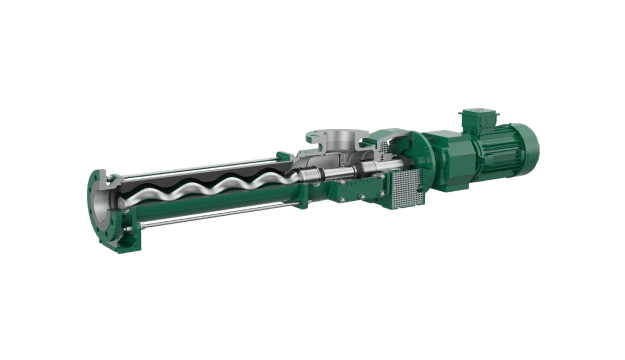
Improved Pump Housing
Two large inspection ports enable easy & quick inspection of the joints and removal of any blockage during pumping.
Wear Compensation Stator
Roto’s unique Wear Compensation Stator design allows it to control and regulate the efficiency of Progressive Cavity Pumps for an extended period. It uses spacers (White, Yellow and Red colors) of engineered lengths to maintain even interference throughout the length of rotor and stator.
Advanced Shaft Seal Design
The open seal housing design prevents media accumulation, enhancing seal life and eliminating the need for seal flushing plans.
Heavy Duty Bearing Housing
Bearing Housing Designed with a two-piece shaft, it supports all types of drives and simplifies servicing of rotating parts.
Dry Running Protection Device:
To prevent the stator damage due to dry running, specially developed temperature sensor is screwed into the stator wall to monitor the operating temperature. If by any chance the pump runs dry, the stator temperature would increase. Roto DRP would switch off the pump at pre set temperature.

Pressure Switch:
To prevent the pump from damage due to over pressurization in the discharge as well as low pressures beyond the capability of the pump. This system trips the pump and protects the pump as well as the system.

Gauges (Pressure, Vacuum, and Differential):
These devices are especially important for the system with dynamic working characteristics, that require constant monitoring. The selection of gauge requires consideration of process, environment, accuracy, dial size, connection & mounting. It is advised to limit the normal working pressure to 25-75% of the scale of the gauge.

Relief Valves:
In addition to relieving excess pressure from closed-top vessels or piping systems, these normally closed valves provide system control benefits. It is versatile and widely utilized valve. Its compact size, ease of setting, readjustment and repeatability, all contribute to its popularity. The pressure setting is done manually.

Strainers:
A Strainer is an inexpensive “insurance” for protecting pumps. There is often unwanted matter present which can cause serious problems. Dust, foreign matter or even clumps of product itself, can clog or damage critical & expensive equipment. Another factor to consider is the cost of downtime.

Roto Progressive Cavity Pump Range